If your River Island home backs up to trees, trails, or river views, your staging strategy should do more than make the house look tidy. It should help buyers feel the setting the moment they see the listing photos and walk through the door. In a conservation-focused community like River Island, that connection between home and landscape can shape how buyers see value. Let’s dive in.
Why staging matters in River Island
River Island is not marketed like a typical subdivision. The community is known for protected shoreline, boardwalk pathways, walking trails, mature hardwoods, preserved wetlands, and views across the water toward Sumter National Forest, according to the Central Savannah River Land Trust. That means your home is being presented alongside a lifestyle centered on nature and outdoor living.
Staging helps buyers picture themselves living in a home, and that matters even more when the setting is part of the appeal. According to the National Association of Realtors 2025 Profile of Home Staging, 83% of buyers’ agents said staging made it easier for buyers to visualize a property as their future home. NAR also reports that many agents see staged homes sell faster, and more than a quarter said staging increased offered value by 1% to 10%.
Online presentation also carries real weight. NAR’s 2024 buyer report found that 43% of buyers started their home search online, and 41% found photos very useful. In River Island, your staging plan and your photo plan should work together to show not just rooms, but the relationship between the home, the greenery, and the water.
Put the view first
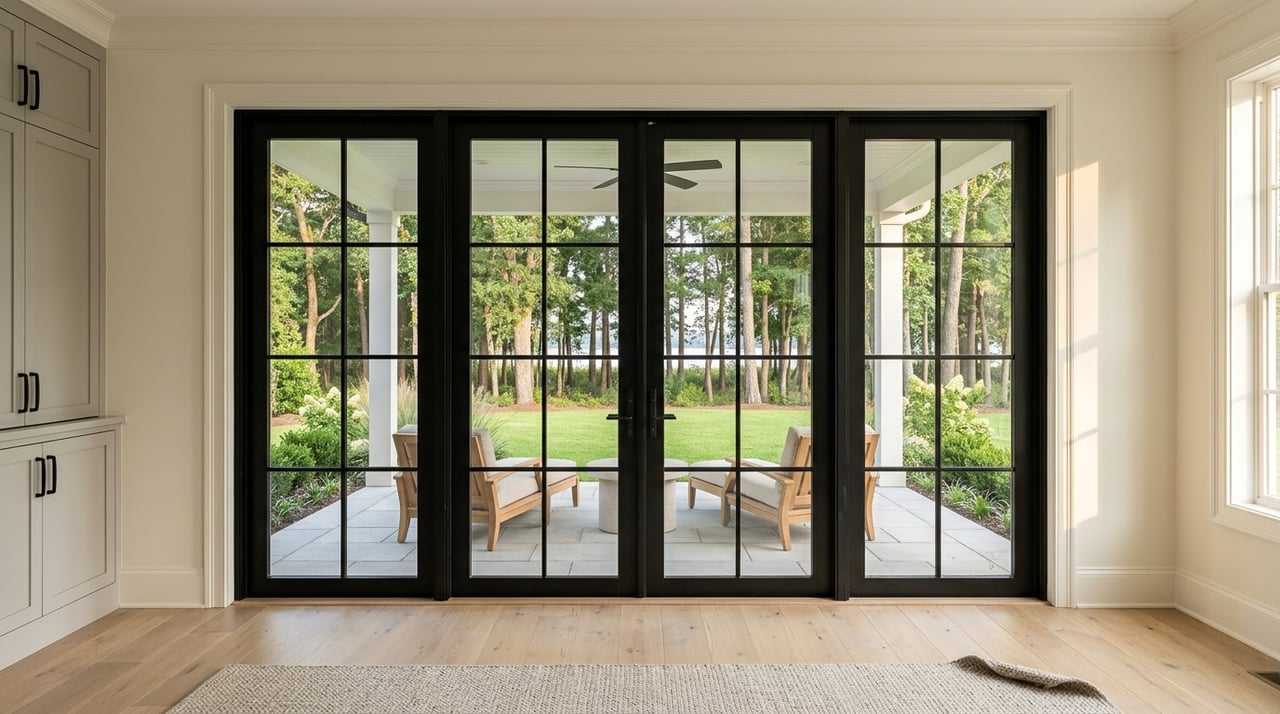
In many homes, furniture becomes the focal point. In River Island, the focal point is often what sits beyond the windows. Your staging should support that view, not compete with it.
Start by looking at every main living area from the perspective of a buyer entering the room. If a sofa, oversized chair, heavy console, or cluttered shelf blocks natural sightlines, it is working against the home. The goal is to create open visual paths to windows, glass doors, screened porches, and outdoor living areas.
Natural light matters too. NAR recommends opening blinds, removing distracting items, and reducing visual bulk before photography because cameras exaggerate clutter and awkward furniture placement. A bright, calm room with a framed view of trees or water will usually feel more memorable than a room packed with decor.
Stage the most important rooms first
If you are working within a budget or a tight timeline, focus on the rooms that tend to matter most to buyers. NAR’s 2025 staging report says the most commonly staged rooms are the living room, primary bedroom, dining room, and kitchen. It also notes that bedrooms, living rooms, and bonus spaces such as offices often have the biggest impact.
That priority fits River Island well because these are the spaces where buyers picture both daily life and the connection to the outdoors. A strong staging plan should make those rooms feel polished, calm, and easy to understand.
Living room staging
Your living room should feel open, bright, and arranged around conversation and views. Avoid pushing in too much furniture, especially large sectionals or bulky recliners that make the space feel crowded. A simpler layout often makes the room feel larger and keeps windows as a feature.
Use a restrained color palette and minimal accessories. Soft neutrals, natural textures, and a few understated accents can help the room feel elevated without pulling attention away from the setting. This approach also fits River Island’s design language, where natural materials like wood, stone, and slate feel more at home than flashy styling.
Kitchen and dining staging
The kitchen should read as clean and ready for everyday life or entertaining. NAR recommends keeping counters clear and deep-cleaning surfaces because cameras pick up grime and clutter quickly. A few intentional touches can work, but the overall look should stay simple.
Your dining area should be obvious and inviting. Whether it is a formal dining room or a breakfast space near the kitchen, buyers should immediately understand how the space functions. A well-sized table, clean lines, and clear walkways help the room feel useful without feeling overdone.
Primary bedroom staging
The primary bedroom should feel restful and lightly styled. Fresh bedding, neutral colors, and reduced personal items help buyers imagine themselves in the space. This is especially important in photos, where too much pattern or personal decor can distract from the room itself.
If the bedroom has a view of trees or green space, make that feature easy to notice. Keep window areas clean and simple. The room should feel like a quiet retreat, not a storage space.
Flex room and office staging
Bonus spaces should never feel vague. NAR identifies offices and similar flex spaces as high-impact rooms, which means buyers respond best when the purpose is clear. If you have a study, loft, or spare room, stage it with one defined use.
A simple desk setup, reading room, or guest space can help buyers understand the home’s flexibility. In River Island, a home office with thoughtful placement near natural light can also reinforce the idea of a peaceful, connected lifestyle.
Make outdoor spaces feel usable
Outdoor staging deserves real attention in River Island. Decks, patios, porches, and screened spaces should look like true extensions of the home, not afterthoughts. Buyers are not only shopping for square footage. They are also responding to how the home lets them enjoy the surrounding landscape.
NAR’s design trends coverage notes that exterior spaces have become popular hangouts and are a valuable add-on to a home. That makes outdoor presentation especially important in a neighborhood known for trails, trees, and riverfront character.
Keep your outdoor setup simple and functional. A clean seating area, a dining setup that fits the space, or a pair of chairs positioned toward the view can help buyers imagine how they would use it. Skip overcrowding the area with too many planters, bright accessories, or oversized furniture.
Improve curb appeal without overdoing it
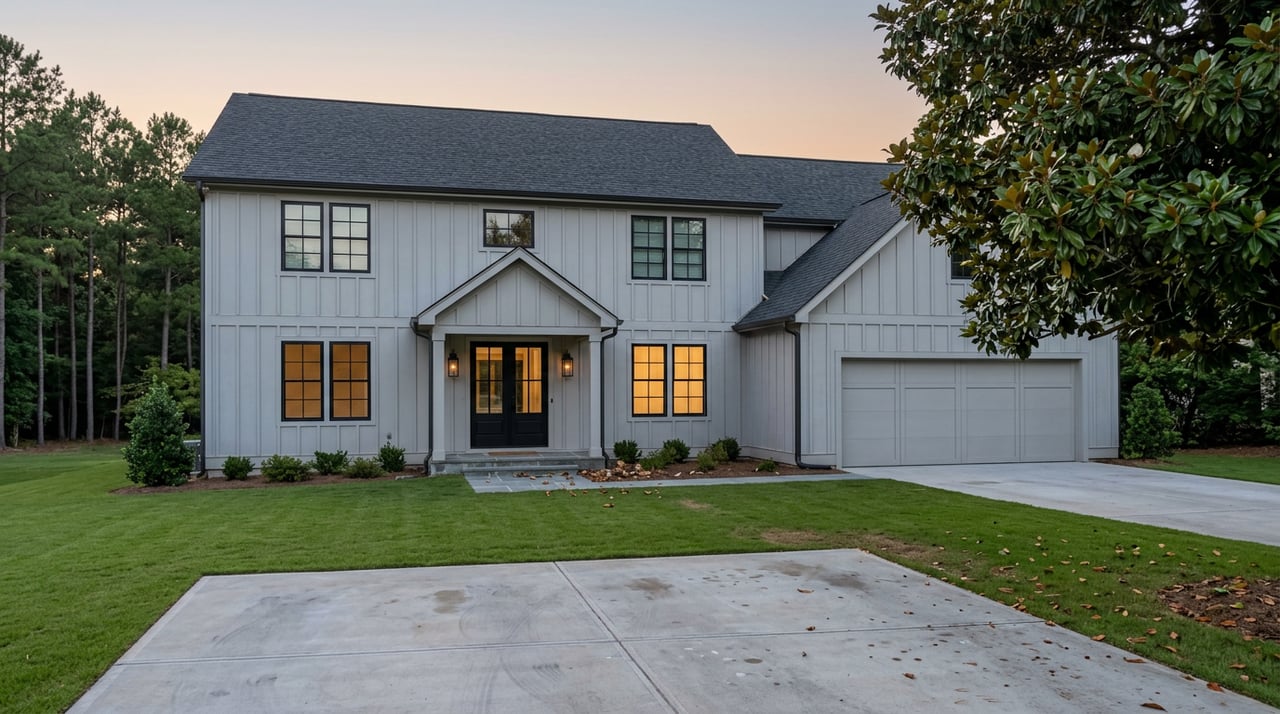
In River Island, curb appeal should frame the home and setting, not compete with them. The best exterior prep often feels clean, natural, and well maintained rather than highly decorated.
NAR recommends trimming bushes and branches that block windows or architectural details, edging the grass, hiding hoses and tools, cleaning windows, and improving outdoor lighting. These steps can help your home look cared for while keeping attention on the house and lot.
A simple seasonal plant or evergreen near the entry can be enough. The goal is not to redesign the landscape. It is to present a neat, inviting exterior that supports the community’s conservation-minded feel.
Declutter for photos and showings
What feels normal in daily life can look distracting in listing photos. NAR notes that clutter, pet beds, crates, and poor lighting can turn buyers off, while cleaner, lighter spaces tend to help buyers focus on the home.
Go room by room and remove anything that adds visual noise. That includes overloaded shelves, busy countertops, extra chairs, stacks of mail, and too many personal photos. Closets matter too. A half-full closet often reads as more spacious and organized than one packed to the top.
This is where a professional, staging-led approach can make a difference. Thoughtful edits help the home feel calm on camera and in person, which supports stronger first impressions from the start.
Plan photography around the setting
Because so many buyers begin online, photography should be treated as part of the staging strategy, not as a final step. Your media should show the relationship between the home, the lot, the trees, and any water or green-space views. That often means planning angles carefully instead of relying only on standard interior shots.
Twilight photography can be a strong fit for River Island homes with outdoor living areas, especially when porches, patios, or exterior lighting are part of the experience. But the presentation must stay truthful. Local MLS rules allow twilight images only when lighting is not added where it does not exist and when the sunrise or sunset effect reflects the sun’s actual path.
Virtual staging also has limits. Local MLS rules require virtually staged photos to be labeled and disclosed, and exterior alterations are very limited. The safest approach is to stage the real home well first, then use digital tools only in a compliant, transparent way.
Match the season to the lot
In a wooded community, the best photo season can vary by property. A home photographed during full leaf season may show lush greenery, mature hardwoods, and a strong sense of privacy. The same home photographed when leaves are off the trees may reveal longer sightlines or stronger river views.
That choice depends on the lot, tree cover, and what buyers are most likely to respond to. A thoughtful listing strategy looks at what the property truly offers and then presents it in the strongest, most accurate way.
Tell a lifestyle-first story
The most effective River Island listings do not just describe rooms. They tell a clear story about how the home lives within its setting. In this community, that often means emphasizing outdoor living, natural surroundings, protected shoreline, trails, and interiors that feel move-in ready without overshadowing the landscape.
That kind of story works best when staging, photography, and marketing all point in the same direction. When buyers can quickly understand both the home and the setting, they are more likely to connect emotionally and remember the property.
For sellers in River Island, that is the real goal. You are not just preparing a house for market. You are presenting a home that belongs to a very specific place, and that place is part of the value.
If you want a staging and marketing plan built around what makes your River Island home stand out, connect with The Fairey Team for a smarter listing strategy that is designed to showcase your home, support strong results, and give back locally.
FAQs
How should you stage a River Island home with river or green-space views?
- Focus on preserving sightlines, opening blinds for natural light, reducing clutter, and arranging furniture so windows and outdoor connections stay front and center.
Which rooms matter most when staging a River Island home for sale?
- The top priorities are usually the living room, primary bedroom, kitchen, dining area, and any flex space or office, since these rooms often have the strongest impact on buyers.
Should you stage outdoor spaces when selling a River Island home?
- Yes. Decks, porches, patios, and screened areas should look clean, usable, and connected to the home’s lifestyle appeal because outdoor living is an important part of the setting.
What should you remove before photographing a River Island listing?
- Remove excess decor, crowded furniture, pet items, personal photos, countertop clutter, and anything that blocks windows, natural light, or clear views of the outdoors.
Can you use twilight or virtual staging for a River Island home listing?
- Yes, but the images must stay truthful and comply with local MLS rules, including disclosure requirements for virtual staging and limits on altered exterior visuals.